
Lameness Services
Expert Equine Lameness Diagnosis & Treatment
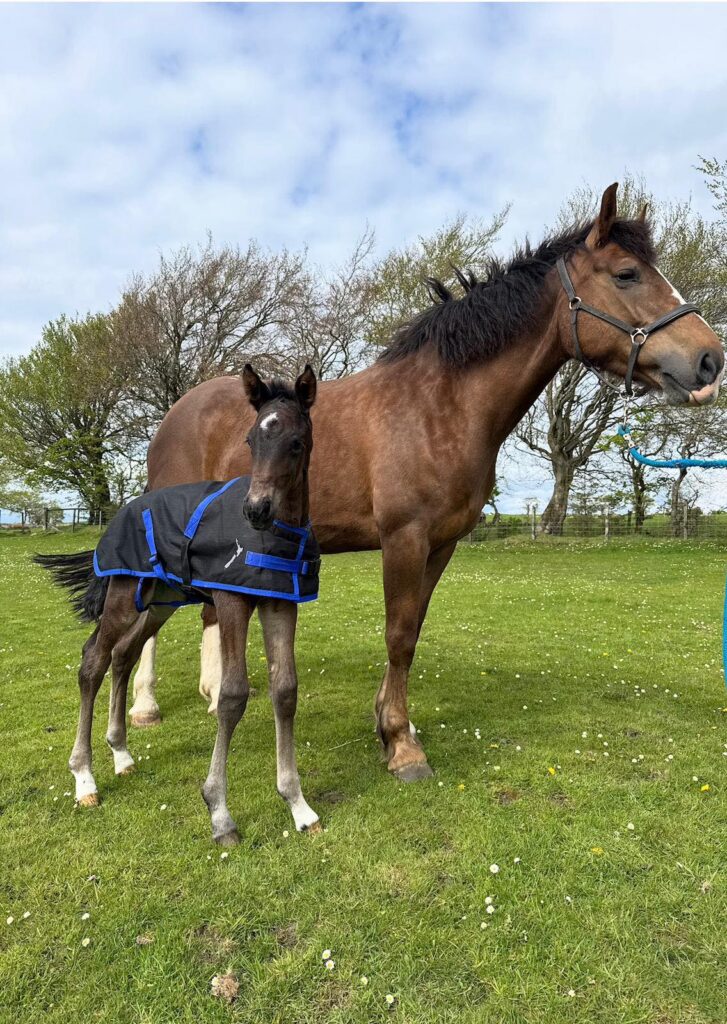
At Clyde Vet Group, our experienced equine clinicians investigate everything from subtle performance issues to severe acute lameness. Accurate diagnosis is essential before deciding on the most appropriate treatment.
What to expect when visiting the clinic for a lameness examination:
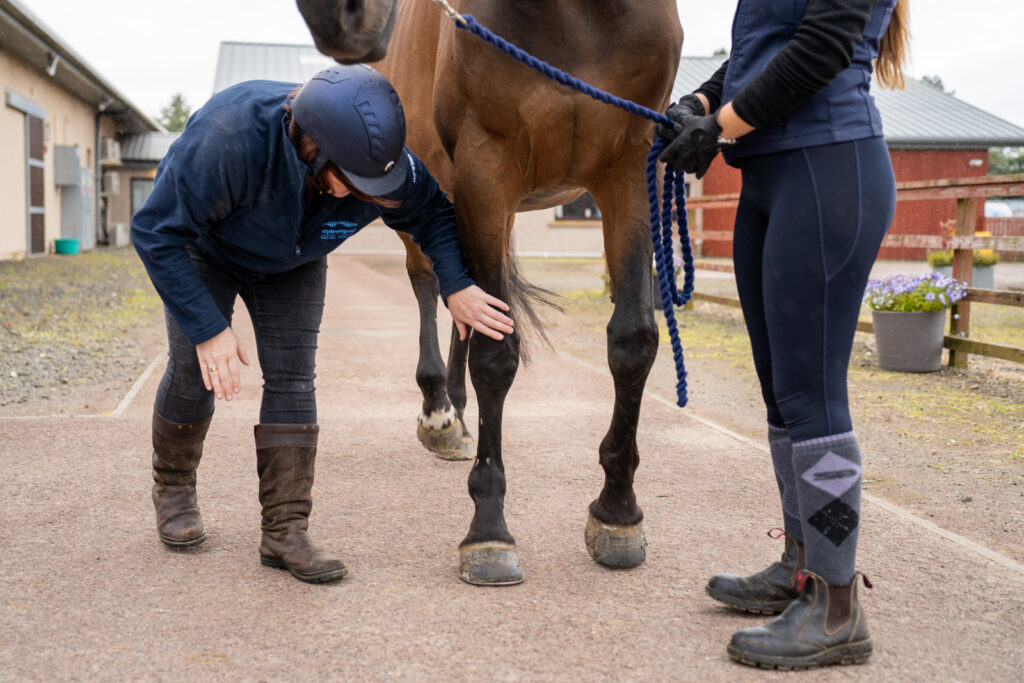
Every investigation begins with a detailed discussion of your horse’s history and a thorough clinical examination. Depending on the findings of the initial clinical exam, assessment may include the following:
Straight line: Your horse will be observed at walk and trot on a straight line on the hard surface.
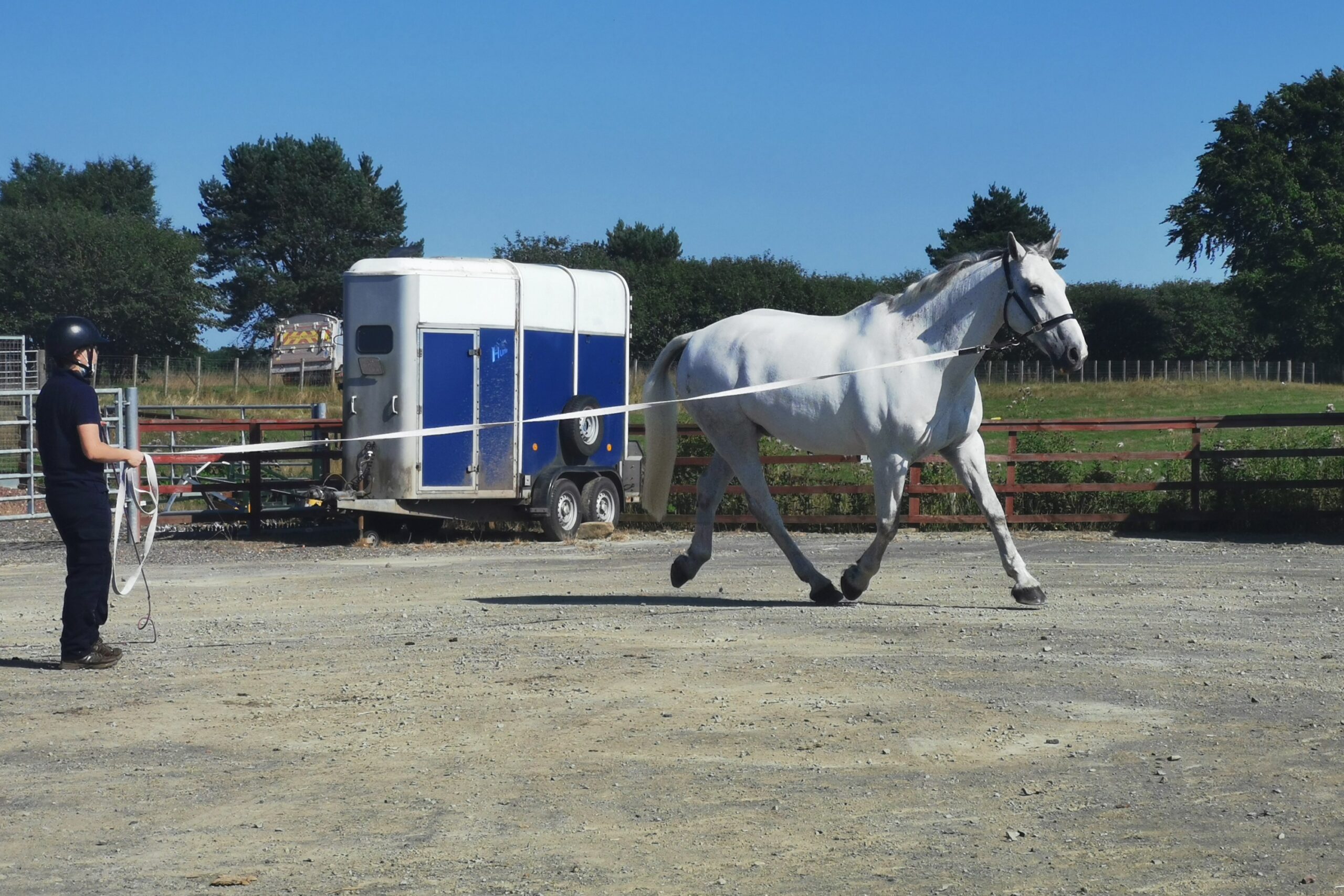
Soft Lunge: Observe the patient at walk/trot/canter on the lunge in both directions. Assessing for any lameness, gait abnormalities or issues with transitions.
Hard Lunge: Observed lunging at walk and trot on a hard surface.
Flexion tests: Flexion tests are carried out to assess if this exacerbates lameness.
Based on these findings, a plan is made for next steps to work towards finding a diagnosis and treatment plan. Further investigations may include:
- Diagnostic nerve blocks
- Local anaesthetic is applied to specific areas to identify the region responsible for pain.
- Digital radiography
- X-rays assess bones and joints for fractures, arthritis and other abnormalities.
- Ultrasonography
- Ultrasound can be used to evaluate tendons, ligaments and other soft tissues.
- Nuclear scintigraphy (Bone Scan)
As one of relatively few practices in Scotland offering in-house equine scintigraphy, we can investigate complex or difficult-to-localise lameness.
Bone scanning is particularly valuable for:
- Stress fractures
- Pelvic injuries
- Sacroiliac disease
- Back pain
- Multiple limb lameness
- Areas difficult to assess with conventional imaging
If your horse is showing signs of lameness or not performing as expected, early assessment is essential. Contact us today to arrange a professional equine lameness examination and get your horse back on track. equine@clydevetgroup.co.uk or 01555 660000
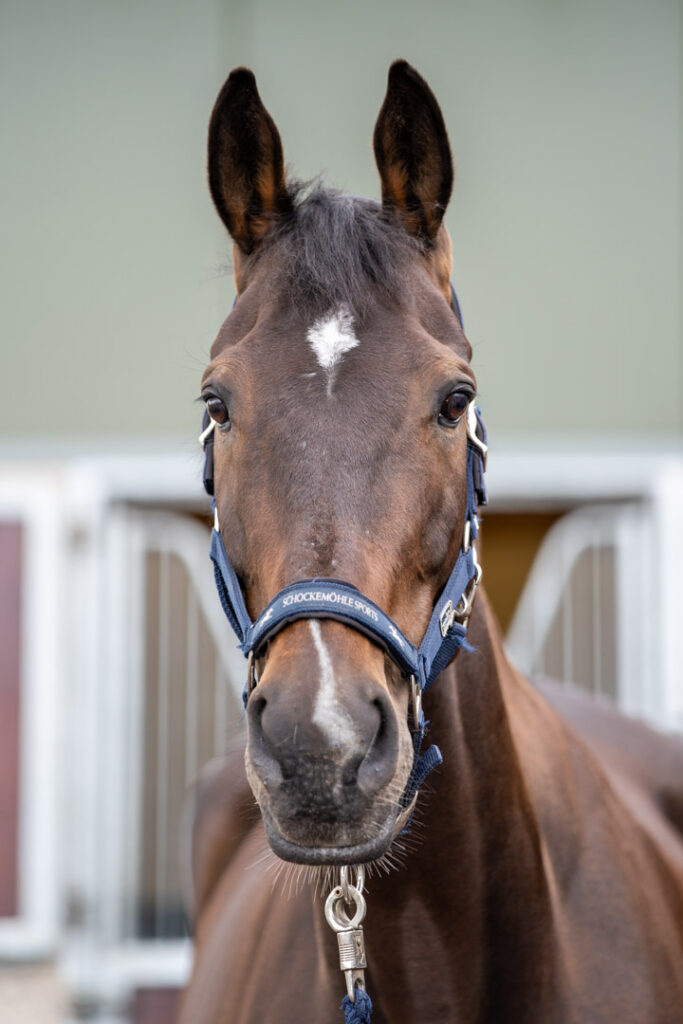
A small amount of radioactive tracer is injected intravenously before imaging with a gamma camera. Areas of increased bone activity appear as “hot spots”, helping identify the source of pain.
Following the scan, horses remain in our dedicated radiation-controlled facility for approximately 48 hours before returning home.
Arthroscopy
Where indicated, minimally invasive keyhole surgery can guide diagnosis, prognosis and plan for joint dsease. It may also allow for direct treatment of the joint.
Individual treatment plans
Once a diagnosis has been reached, we develop a tailored treatment and rehabilitation programme specific to your horse, whether returning to elite competition or comfortable hacking.